Why airline food leaves passengers disappointed

If there’s one thing that gets strangers talking to each other on long-haul flights, it’s airline food. While hot meals have largely disappeared on short routes in Europe, for obvious reasons they are still dished out to passengers when they are being transported half way around the world.

And for the majority of us that travel economy class, we are by and large left disappointed on a daily basis.

When the cabin attendants bring round a printed menu soon after you board your flight hopes are raised. The dish names and their descriptions often sound like you are going to get something prepared by a Michelin-starred chef, using only the finest ingredients. And better still, you are promised the finest wines to accompany your meal.

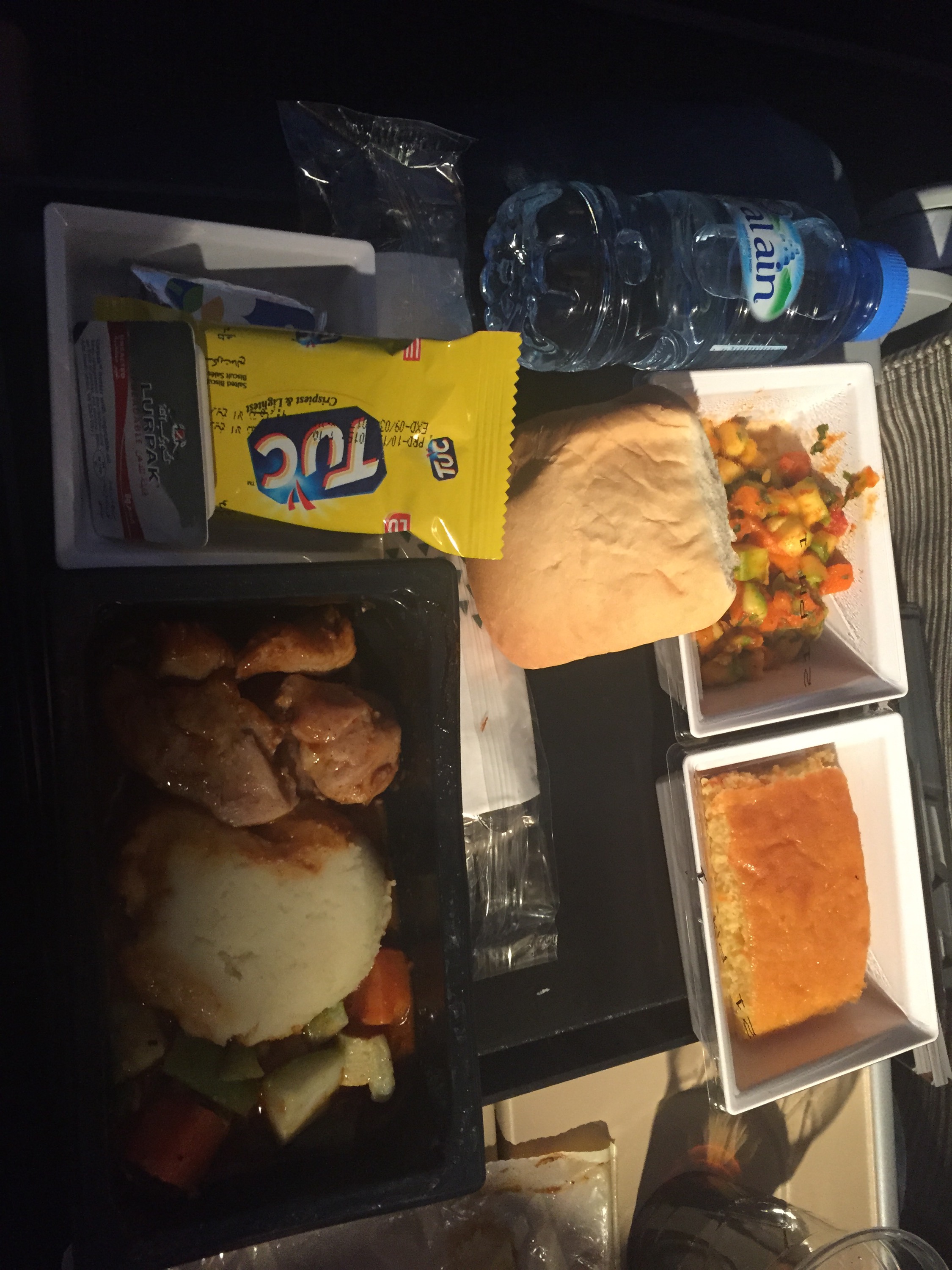
But the reality is often a shrivelled piece of chicken, accompanied by some equally tasteless sauce and a measly portion of overlooked rice. The bread roll is tougher than the outer coating of the plane you are travelling on. Cheese and biscuits consist of a sweaty piece of cheddar, served with a plain cracker. And the dessert is a variety of sponge that you can’t quite place.
  
Just this week on my early morning flight from London City Airport to Edinburgh, I had a disappointing attempt at a full English breakfast on a British Airways service – encompassing a soggy hash brown, tasteless sausage and bacon, with absolutely no sauce (not even baked beans) to make it moist.

I know what you’re thinking though – it’s not that easy cooking a decent meal in such a tiny galley up in the skies. That may be true, but I think that’s just a poor excuse. If you consider how much microwave ready meals have improved in recent years, then you start to realise that more can be done to improve quality.
Given that cabin crew are only really heating up pre-cooked food, innovation needs to begin on the ground. Perhaps more use should be made of independent suppliers, rather than the vast mass-produced kitchens that the airlines currently use. Yes, it would probably prove more costly, but passengers would be left more satisfied if more love and thought had gone into their meals.

You could see a network of independent kitchens on the fringes of major airports and using fresh ingredients proving popular. There would need to be a sophisticated just in time supply chain in place, but modern technology allows this sort of thing to take place. And given that food is usually served on planes within 30 minutes of take-off, if it was freshly prepared it wouldn’t really need heating up very much.

Some airline meals are passable and actually even enjoyable (I enjoyed a beautiful, albeit small, piece of steak on a South African airways flight last year), but in my view that was an exception.

Given the length of time spent on some flights, passengers in economy class deserve better food to eat. Right now it’s boom time for airport eateries as people rush to consume a decent meal given they know what’s probably coming (I certainly do).

As I was presented with a terrible chicken frittata (made in the UK using chicken from Thailand) for breakfast on an Etihad flight to Abu Dhabi, this was the very topic of conversation I had with the person sitting next to me. Why do airlines simply not bother?

Behind the scenes at the Automobile Club of Egypt 

At the Automobile Club of Egypt, Europeans and wealthy Egyptians were served fine restaurant meals, gambled in the casino and drank late into the night. They found attentive waiting staff who catered for their every need from the minute they arrived in their cars at the entrance to when they staggered home, often drunk.

Members were drawn from across the upper echelons of society, but perhaps the most important and frequent visitor was the Egyptian playboy king. He would often arrive in the early hours of the morning and wouldn’t leave until he was up on his gambling.

James Wright, the general manager, was an Englishman who presided over the smooth running of the club and ensured that high standards were maintained. He thought little of the Egyptians he employed, believing they were untrustworthy and couldn’t be left to their own devices.

But much as Wright – and Alku, a tyrant and senior aid to the king – tried to prevent it, some servants in the club formed close bonds with members. On the face of it, employees toed the party line, but beneath the surface they discretely challenged the management – and Britain’s continued occupation of Egypt which they felt starved them of opportunities.

It’s into this rich and fascinating world that best-selling author Alaa Al Aswany brings us with his latest novel. After a couple of slow starts, he has written a masterpiece – just ignore the complaints in newspaper reviews about it being a clunky translation. There is a good story to be told here.

  
Had you merely visited as a guest you would have probably only experienced a slick operation, but swany has a gift in taking readers behind the scenes to introduce an array of interesting characters, many struggling to make ends meet and prepared to do whatever it takes to get their tips. His chapters flick between different groups like scenes in a play, always leaving the reader in suspense.

In the stock rooms, lobbies, bars and homes of the servants, we find how they survive on such meagre salaries, with little form of protection or pension. Yet in fact many do more than just exist; some work hard all hours of the day, so they can succeed at school or university. Yet even with qualifications, still for the most part they find their futures denied. Some, however, don’t take no for an answer.

If the beatings and other forms of oppression the staff received seem familiar in Egypt in the modern age, that’s because the parallels are there. Aswany is an outspoken critic of the current regime and has found his columns in Egyptian newspapers suspended.

The autocratic government in power today denies its citizens a democracy, while foreign powers – including former colonial ruler Britain – happily maintain cordial relations with Egypt. And conditions in prisons are just as terrible now as they were in the past. Perhaps they are actually worse.

Back in Aswany’s novel, the king was a big womaniser and his aides organised parties so that girls could be paraded in front of him. His Royal Highness would then select the one he wanted to accompany to his bed for the night.

With so much written about Britain’s former empire where colonial subjects were presented as powerless and forced to accept the fate awarded to them, it’s refreshing to read a beautiful piece of literature where individuals work together (often with the most unlikely of partners; people that would be expected to side with the occupiers) in an attempt to change the future of their country.

Although this is a piece of fiction, the club itself did exist in Cairo (some of the author’s relatives worked there and he focuses on the period between the Second World War and Nasser’s coup of 1952, the venue’s heyday). How it would have been fascinating, yet disturbing place to visit back then.

And while the British were thrown out by Egyptian nationalists more than 60 years, sadly the opportunities provided to ordinary people did not appear. The Arab Spring of five years achieved little bar lead to a change in president and so Aswany’s words tell us a much about Egypt today as they do about the past.

Dubai’s seaside paradise

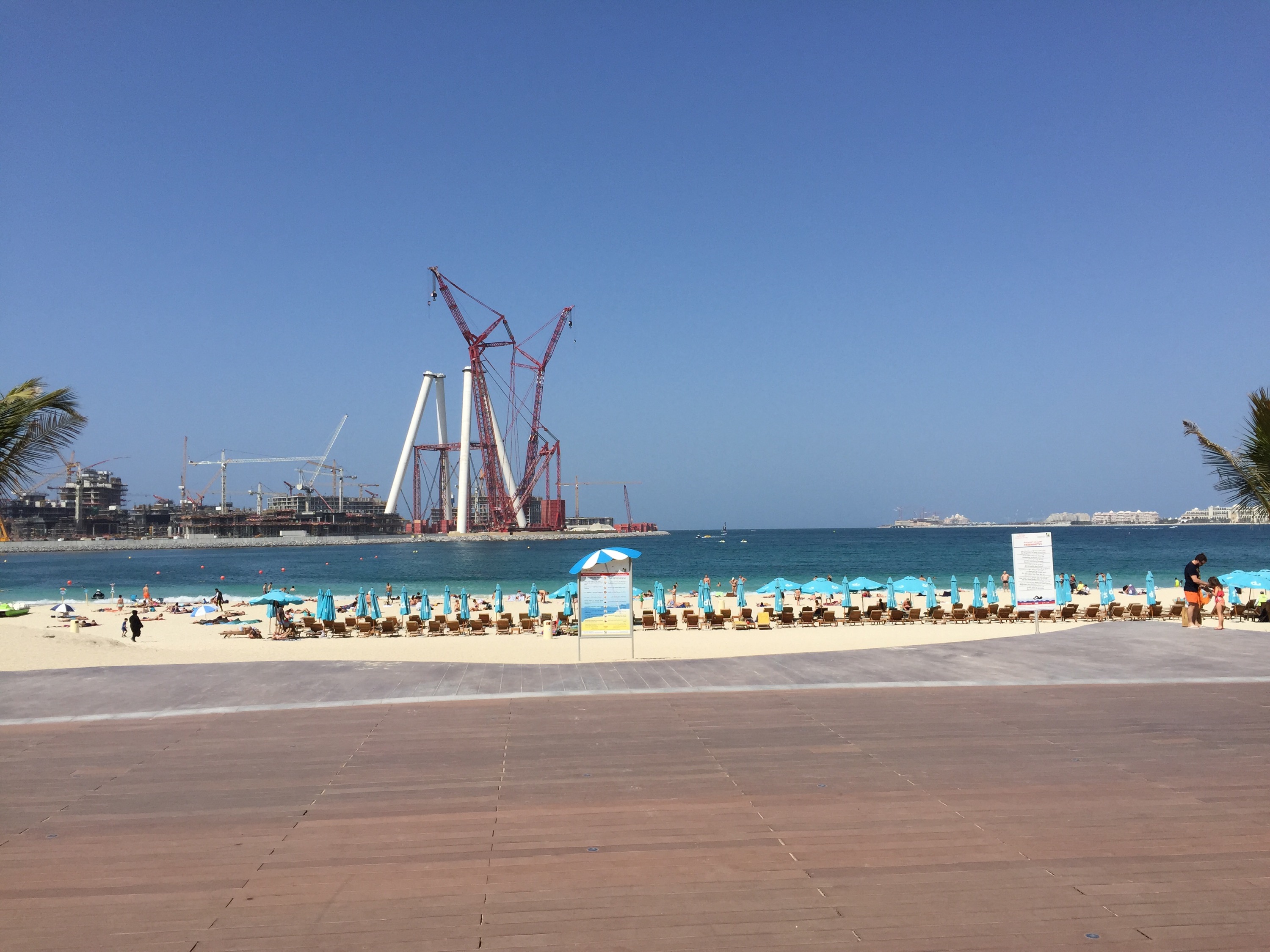
Taking a picture of Dubai’s skyline without construction cranes in the shot, is not an easy task.

The Arabian city in the dessert may have already wowed the world with its towering buildings, man made islands, luxury hotels, giant shopping malls, but it’s project has not finished yet. While some other parts of the Middle East are caught up in war and conflict, here is a place that’s oozing with confidence and looking to the future.  I’ve visited Dubai on numerous occasions since 2009 and every time I come there are new things to see. The date of my first trip is important because the Emirate had been hit by the financial crisis and some raised doubts about its future (on the plane I read reports of expats who had moved out here for a tax free life in the sun, but were apparently abandoning their cars in the airport car park because there was no work left for them to do).

I soon realised that Dubai was still here and doing very nicely thank you very much (and the airport car park story was discredited because there weren’t even enough spaces for the number of cars said to have been left). And on every trip I’ve made to the city since, it seems busier and shows no signs of slowing down.

There are still people in the UK who will write Dubai off as one big shopping mall, but I often find these people have not even visited the country. Yes, there are some mammoth retail emporiums (and more are being built), however you don’t need to set foot in these for your holiday to be enjoyable if you don’t want to. There are plenty of other things to do.

The beach scene has evolved considerably in recent years and if you just want to lie in the sun or swim in the ocean for a week, Dubai could be the place for you. Guidebooks don’t make enough of the fact that there are some great public sandy beaches, so you don’t need to be staying in one of the luxury (so expensive) hotels to be able to enjoy the seaside.

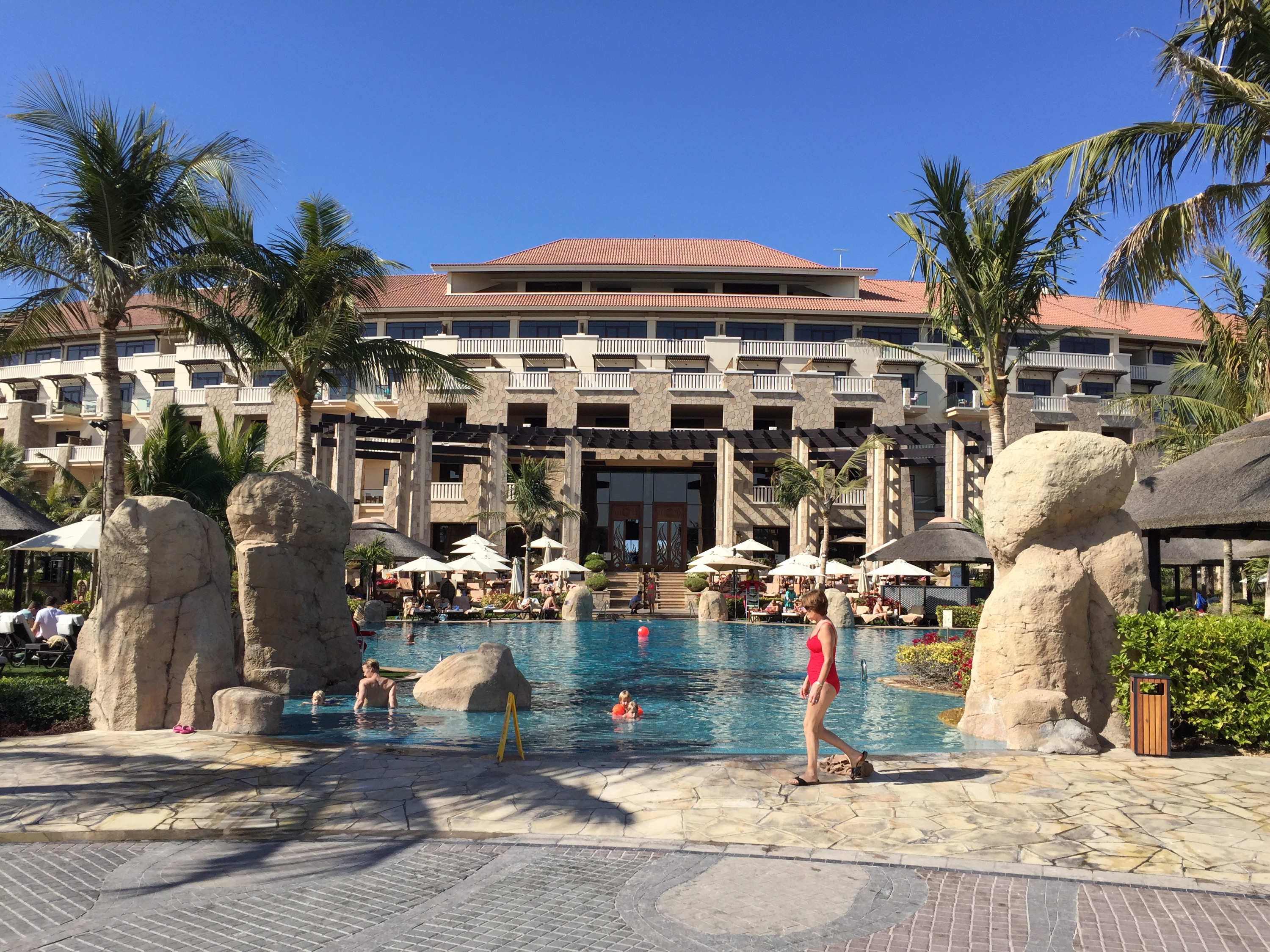
I’ve always stayed with a friend who lives and works in Dubai, but still enjoy nipping into these fabulous resort hotels during the day for a drink or a bite to eat (the food, from countries the world over is excellent). And some venues wouldn’t even notice if you decided to take a dip in their outdoor pools along the coast.


Sofitel, The Palm

 
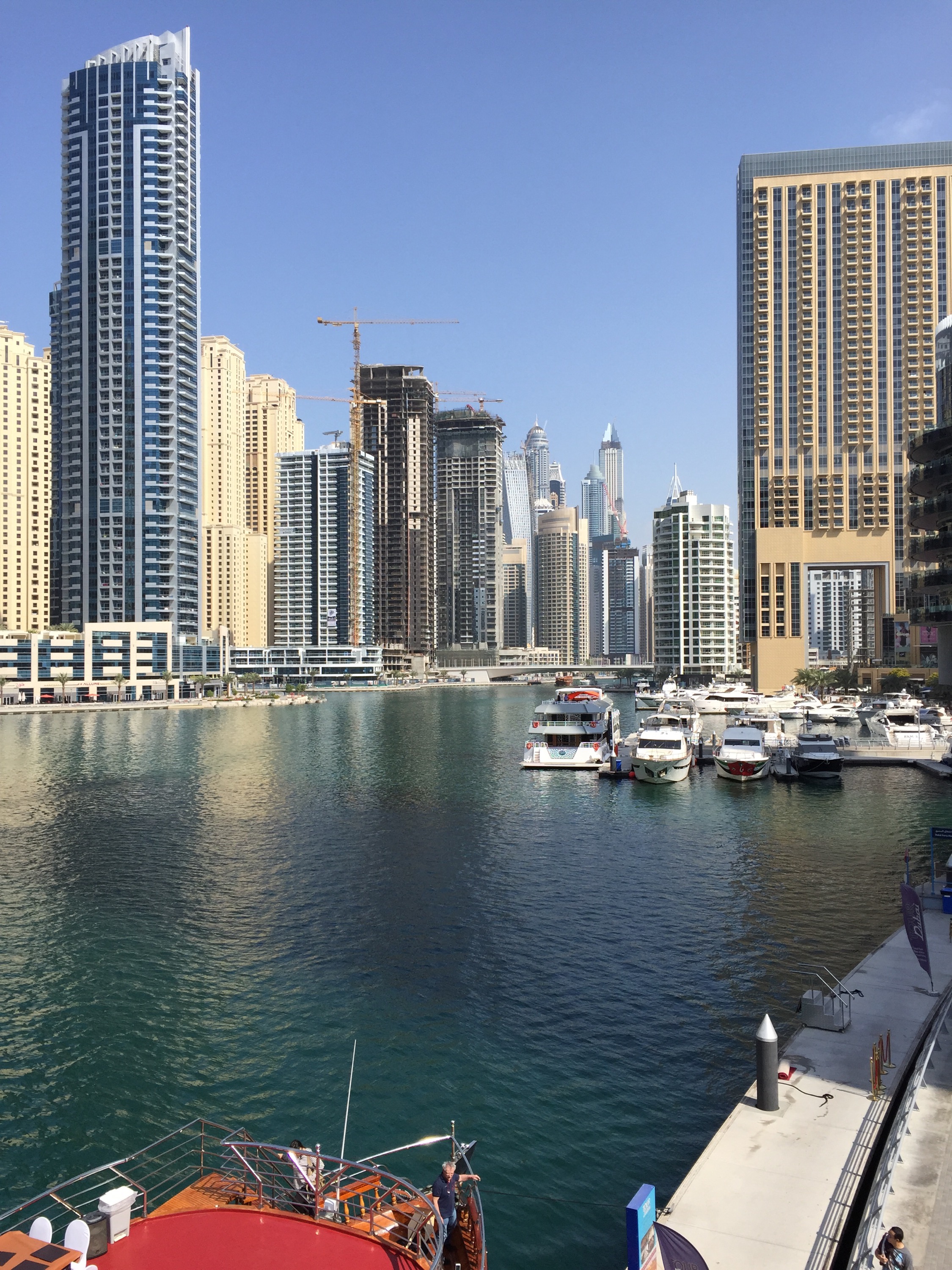
Dubai Marina has also come on leaps and bounds in recent years. There is now at least seven kilometres (probably more since the signs were printed) of landscaped walkways around the water’s edge. I enjoy stopping for a coffee at the charming cafes while soaking in the serene scene of luxury yachts bobbing about on the blue waters.

Dubai Marina

 
Many other beach resorts in the wider region (including Tunisia and Egypt) are currently off limits and so Dubai is the obvious option that some will choose for winter sun. Yes, staying in the United Arab Emirates doesn’t come cheap, but if you shop around and aren’t overly picky about which hotel you want to stay at, there are some good deals to be had.

Its a place that feels safe to walk around, the streets are clean and people are generally friendly. When it’s cold and pouring down with rain back home, who could complain about heading to the wonderful paradise that is Dubai?

Decent Sunday roasts can save the British pub

I’m not sure food served in pubs was as limited as some have made out, but 25 years ago it could certainly (from what I remember) be hit and miss. But in recent decades, both the offering of meals and drinks has greatly improved and eating out at your local can be just as (or indeed more) pleasurable than dining in a restaurant.

The significance of the 25 years is that is supposedly when the gastropub revolution was born – with the Eagle in Farringdon, London, apparently. “Pubs were no longer places just to have a pint and pickled egg,” notes the Sunday Telegraph in an article this weekend.

I was only age seven, but I remember eating more than a picked egg in pubs back then. Putting that aside, however, the anniversary provides a timely opportunity to celebrate just how great boozers that serve excellent food really are.

There are plenty of great pubs that are “wet led” (one of my favourites being the Southampton Arms in Kentish Town), yet generally speaking I think that pubs that care about the quality of the beer they serve, also tend to offer really good food.

And when it comes to judging pub grub, I look no further than traditional Sunday lunch. I’ve had a lot of great roasts (usually beef) recently in venues where I also enjoy drinking well-looked after ales on a Saturday night. My recent posts on Tripadvisor are testimony to this – just take a look at my write-up of the Snooty Fox in Canonbury or the Crooked Billet in Clapton.

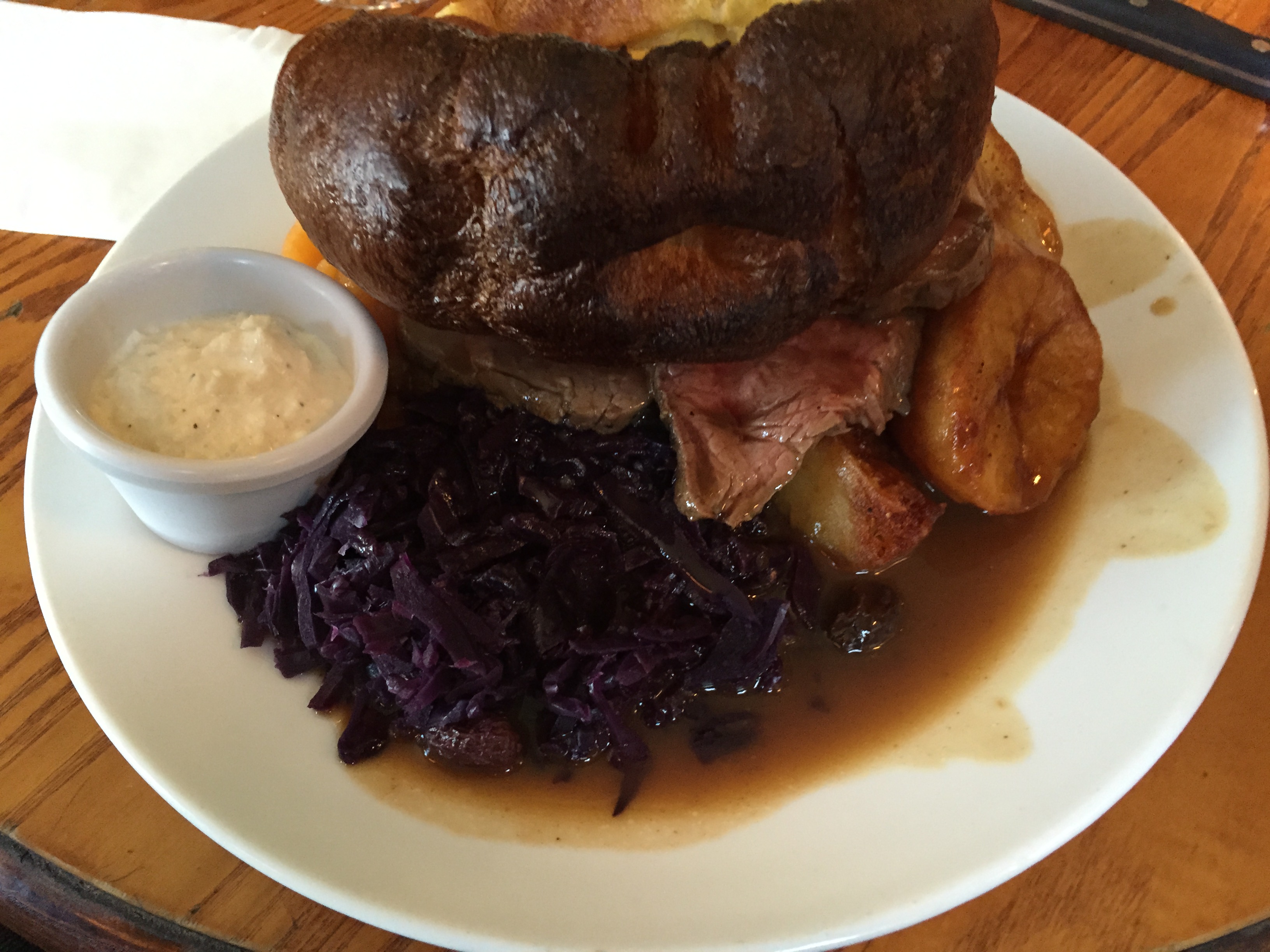
2016-01-10 12.14.36

Roast beef at the Crooked Billet

In fact, given the choice these days of eating a Sunday roast in a traditional pub or a stuffy restaurant where they take ages to even take your order, I would usually go for the former. Call me impatient, but I prefer to go to places where you can order your meal at the bar. In that way, you are not waiting for a waiter and waitress to read your mind and guess when you are ready.

But you can have friendly staff behind the bar, as well appropriate background music, yet if the food isn’t great then customers won’t have the experience they desire. So the quality of the Sunday roast is paramount.

If you’ve read any of my Tripadvisor posts you’ll see I have distinctive views as to what makes a good roast, so here are just a few key things that I look out for:

1) Meat – I usually go for roast beef and here quality and quantity is really important. You can have really tasty meat, but if they’ve skimped on the portion size, you are sure to be disappointed. And if it is beef, then done overcook it – beef is meant to have at least some pinkness when it lands on your plate.

2) Yorkshire pudding – This of course need to be homemade and crispy on the outside, yet light and fluffy on the inside. I am not bothered about these being massive, but I do get annoyed when you choose another meat and they tell you that your meal doesn’t come with a Yorkshire pudding.

3) Roast potatoes – Pubs need to give you at least four of these (served crispy) in my view. And punters will see right through cost-saving techniques if they cut them too small and insist that to be an adequate portion.

4) Vegetables – It’s hard to go wrong steaming cabbage or boiling garden peas. But I think pub chefs have an opportunity to wow their customers with vegetables, by doing something a lit bit different, so that they are more than just “fine”. On more than one occasion recently, I’ve wanted to keep some savoy cabbage for my last mouthful because it has been so flavoursome. And good cauliflower cheese never goes unnoticed.

5) Gravy – We’ve come a long way with pub food in recent years, but I really don’t think that gravy has kept pace with change. I would expect the water in my washing up bowl to taste better than some of the rubbish that has been served to me recently. Too often its very thin and watery – and when its verging on decent, then chefs sometimes skimp on the volume. I long for everywhere to be serving hearty, thick gravy that is oozing with flavour. My search continues.

6) Accompaniments – If you are having roast beef, it is essential that horseradish and mustard is offered. When roast lamb is served, there needs to be mint sauce. I think it’s embarrassing for pubs when they say they don’t have these. Even if they get the above five points right, the customer has been let down if the relevant accompaniments are missing.

There is no doubt that the trend for unprofitable British pubs closing down each year will continue. Getting decent beers on hand pumps (the so-called craft beer revolution) can help keep places open, but I also think that the Sunday roast has an important role to play. Fill a pub serving decent ales on a Saturday night and then – even if they are suffering from hangovers – a tasty lunch the next day will be sure to welcome them back through the doors.

South Africa is a country that can be enjoyed, if you take precautions

Mention to friends and family that you are off to South Africa for a holiday and chances are they will start to look worried. Many will have seen the violence in townships earlier this year on their TV screens or have heard about people being shot at point blank range in city centres and think you won’t even survive the taxi journey from the airport to your hotel.

I am not going to try to claim that bad things aren’t happening in South Africa (because they are), but having returned from a 10 day trip, I can confirm that it doesn’t feel like a country at war. I felt safe enjoying the many attractions of Johannesburg, like its excellent museums presenting a thoughtful overview of the country’s recent history (you’ll hear more about this in the series of blogs that I launched at Pastinpresent.net yesterday). And there are plenty of areas where it is possible to socialise with friends (like Maboneng, which I thought seemed like an area of Shoreditch).

2015-09-24 09.07.44

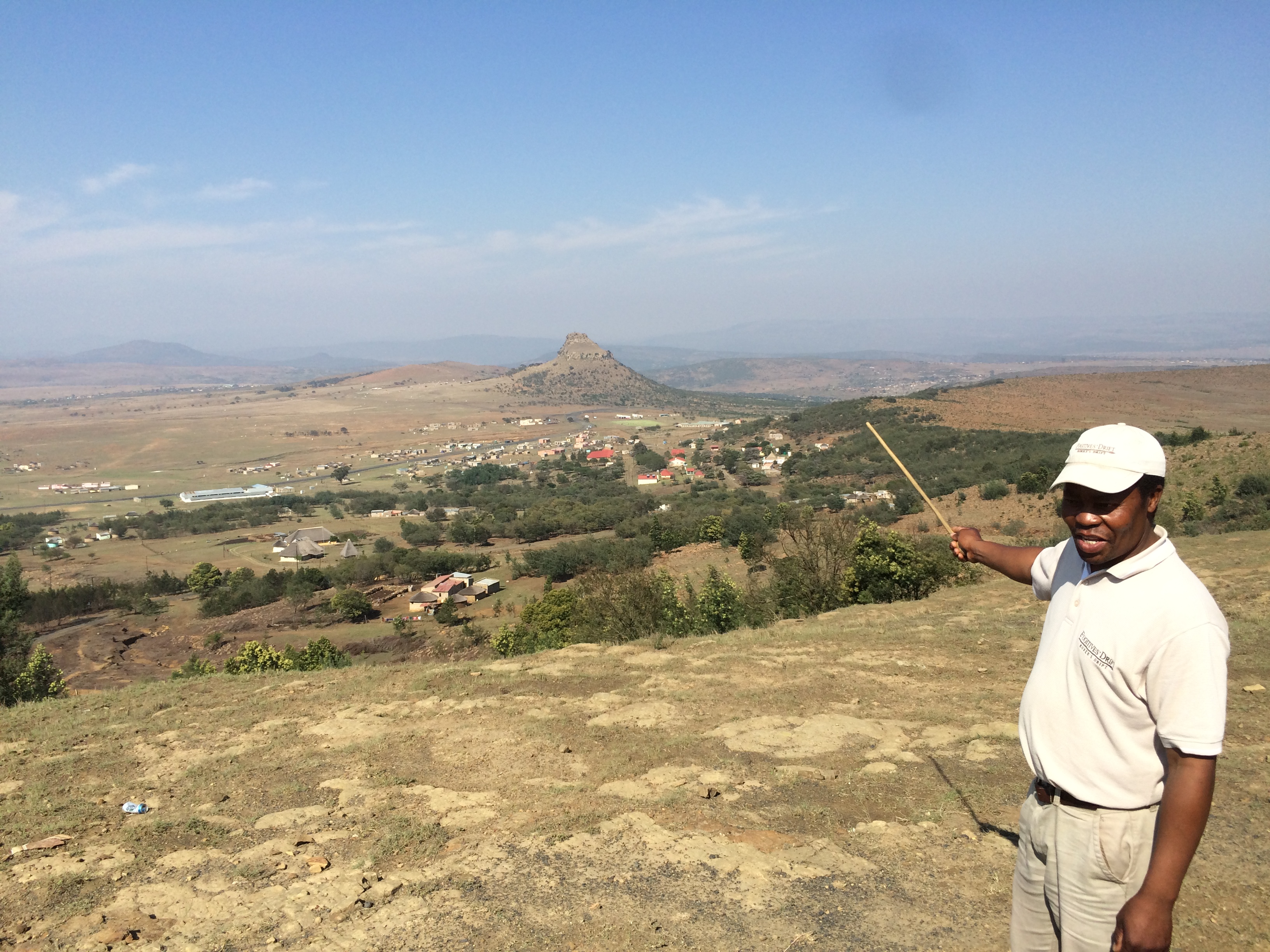
Friendly and enthusiastic tour guides

As part of my trip, I drove from Durban to the heart of KwaZulu-Natal, home of battlefields like Rorke’s Drift where the British fought Zulus (I’ll be covering in detail in a Pastinthepresent.net blog) and found some of the roads we used were certainly better than British ones.

People working in hotels along the way (and the lodge where we stayed when visiting the battlefields) were extremely friendly. They seemed to take pride in their jobs; if anyone was having an off day, they didn’t show it. The South Africans we met – from people working in restaurants to those manning stops of open top tour buses – were positive about the country (despite its many challenges) and wanted to make sure we were having a good time.

I don’t think I’ve been to a country where I’ve had so much tasty food during a single holiday. Every meal served up (particularly the sirloin steaks) was pretty much faultless. And just to be clear, we didn’t spend all our time eating in luxury hotels where that should have been expected – even quick bites in shopping malls were fantastic.

South Africa is a country that can be enjoyed by tourists. While it’s cities have no-go areas (especially at night), that shouldn’t put you off visiting the country as a whole. There are plenty of spots where you can go and have a pleasant time, you just need to take precautions and speak to locals to understand where it is safe to go.

South Africa’s very own Shoreditch 

Hillbrow is a central suburb of Johannesburg where you don’t want to linger at any time in the day. “It’s notorious for violent crime,” said my guide as we drove along the streets with the windows closed and doors locked. He remembers the joy of coming here as a boy to a video game shop, but now wants to get away as quickly as possible.

Even the private security firms that have sprung up in Johannesburg to defend people and their property apparently don’t want to accept contracts here because they don’t want to ruin their good reputations. Drugs are openly dealt on the streets, there are seedy strip joints aplenty and residential buildings are seized and occupied at will.

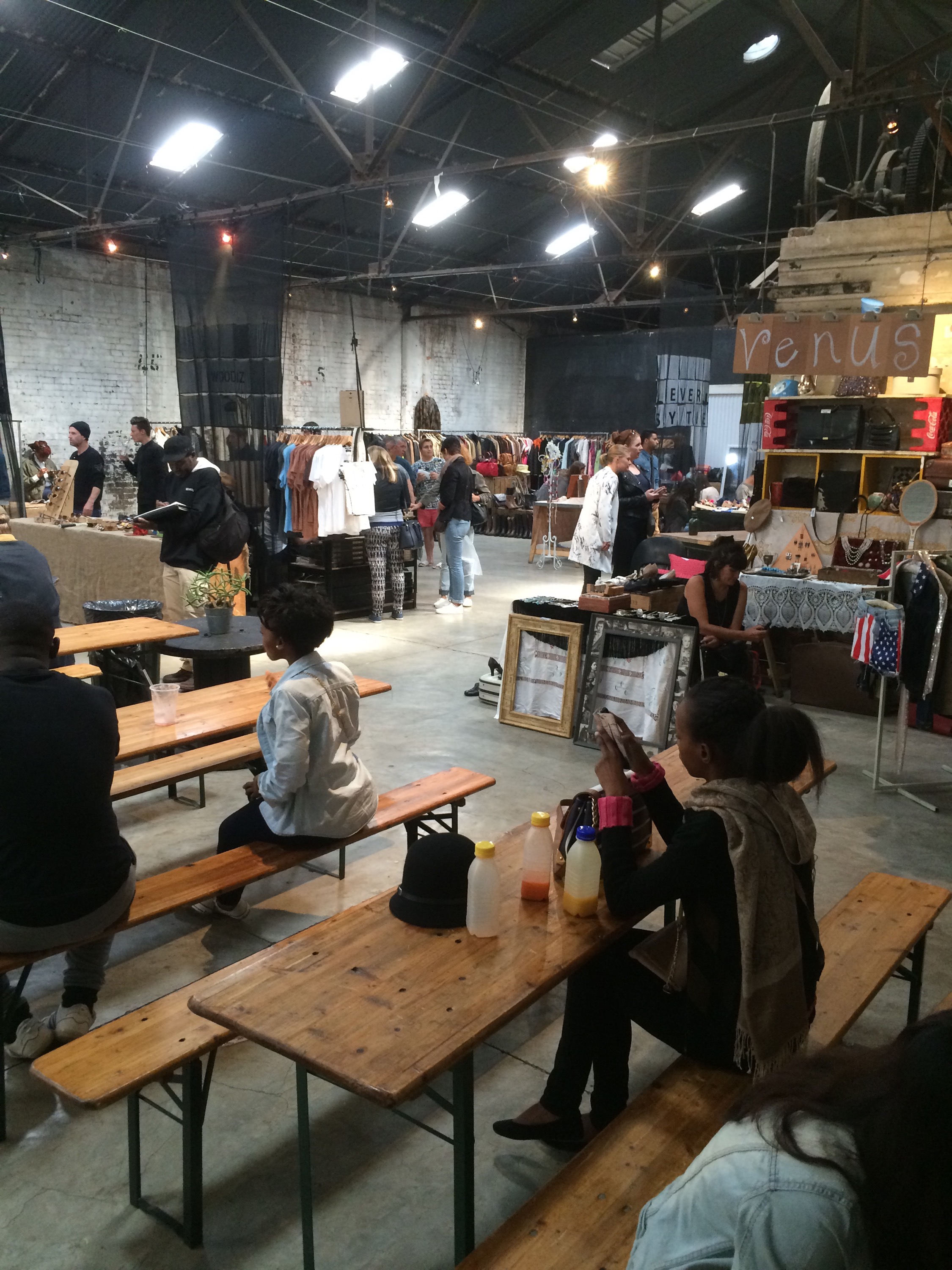
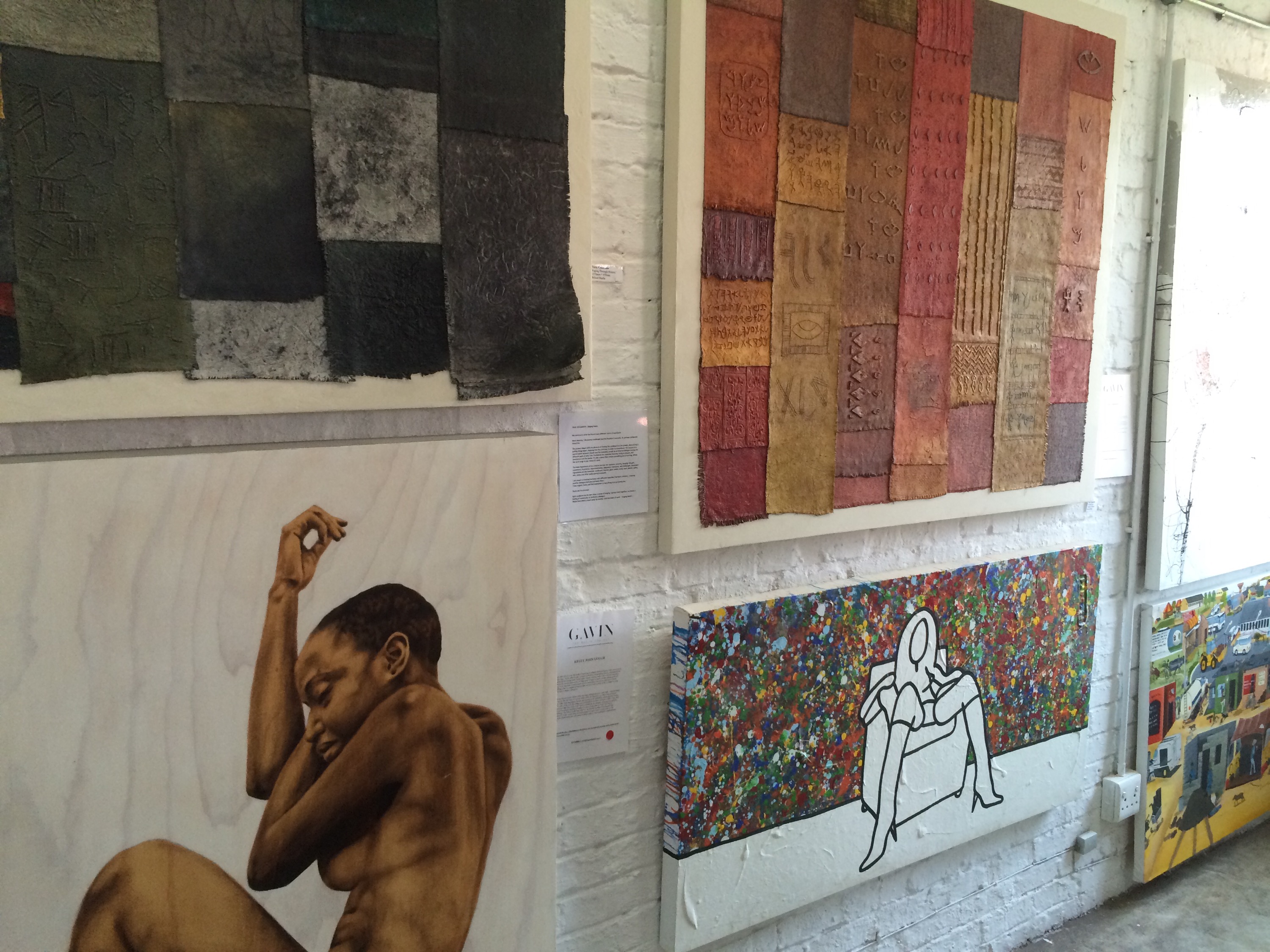
On another side of the city it’s a different story. In Maboneng – just to the east of the Central Business District (CBD) – you feel like you are in London’s Shoreditch district. Artists have reclaimed former warehouse buildings which had been left abandoned and turned them into trendy galleries, attracting both tourists and locals wanting somewhere to chill out. The walls of buildings are treated like giant canvases and are covered in colourful graffiti.  

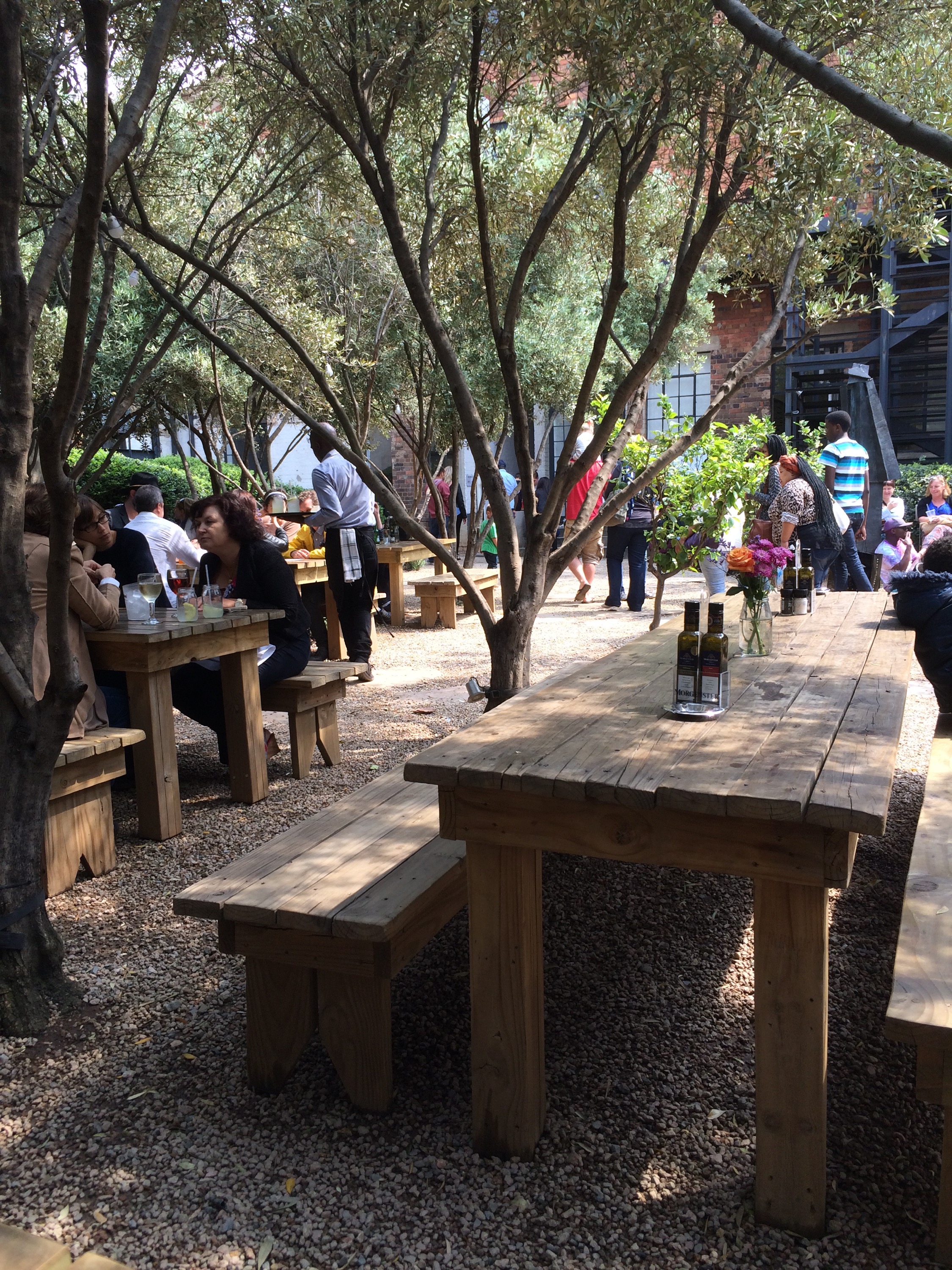
Visiting early this afternoon, I stopped in a lively courtyard set back from the main street where people were enjoying lunch at the trestle tables. As some enjoyed a salsa dance class on a raised terrace, the area around me was packed with people drinking coffees and eating tasty burgers – and being Sunday, roast dinners were also flying out of the kitchen (I feel a bit of a traitor to my country for not having one).  

On the stretch outside, where artists sold their colourful wares on the pavement, I found more trendy coffee shops, as well as pizza restaurants and bars boasting craft beers. A little further along, there was also the 12 Decades Art Hotel with eye catching art works in the foyer.

 
What I found here was urban rejuvenation at its best. While crime is falling in the CBD – where Johannesburg first sprang up as a mining town little more than a century ago – it still exists, to the extent that huge hotels stand as empty shells because security is still considered inadequate and many businesses still see it as a no go area.
Many international visitors confine themselves to Johannesburg’s plush northern suburbs with modern shopping malls, like Rosebank and Sandton, but it’s nice to see determined people wanting to make a difference closer to the CBD.

For me finding Maboneng was a real treat and a perfect spot to take a break during a busy day of sightseeing (where I discovered much history, which I’ll chart in detail at Pastinthepresent.net in the coming weeks). My hope is that what has occurred here can be replicated elsewhere in the city and Johannesburg can shake off its reputation as a place of crime.

My Capital Ring adventure is complete

After a joyous 78 mile (give or take a diversion or two) hike around the outskirts of London I’ve reached the end of my Capital Ring walking adventure.

I published the last of my blogs on the fascinating walk yesterday. And if you want to catch-up on any of the instalments you can read all the posts here.

Over the past few weeks I’ve got involved in many conversations about the Capital Ring route. But probably the question I’ve been asked most frequently by people is: “Which is the best bit?”.

This is not something that’s easy to answer though. In the truth, the biggest joy for me about the Capital Ring has been encountering areas of London that I wouldn’t otherwise have visited.

2015-05-09 14.14.36

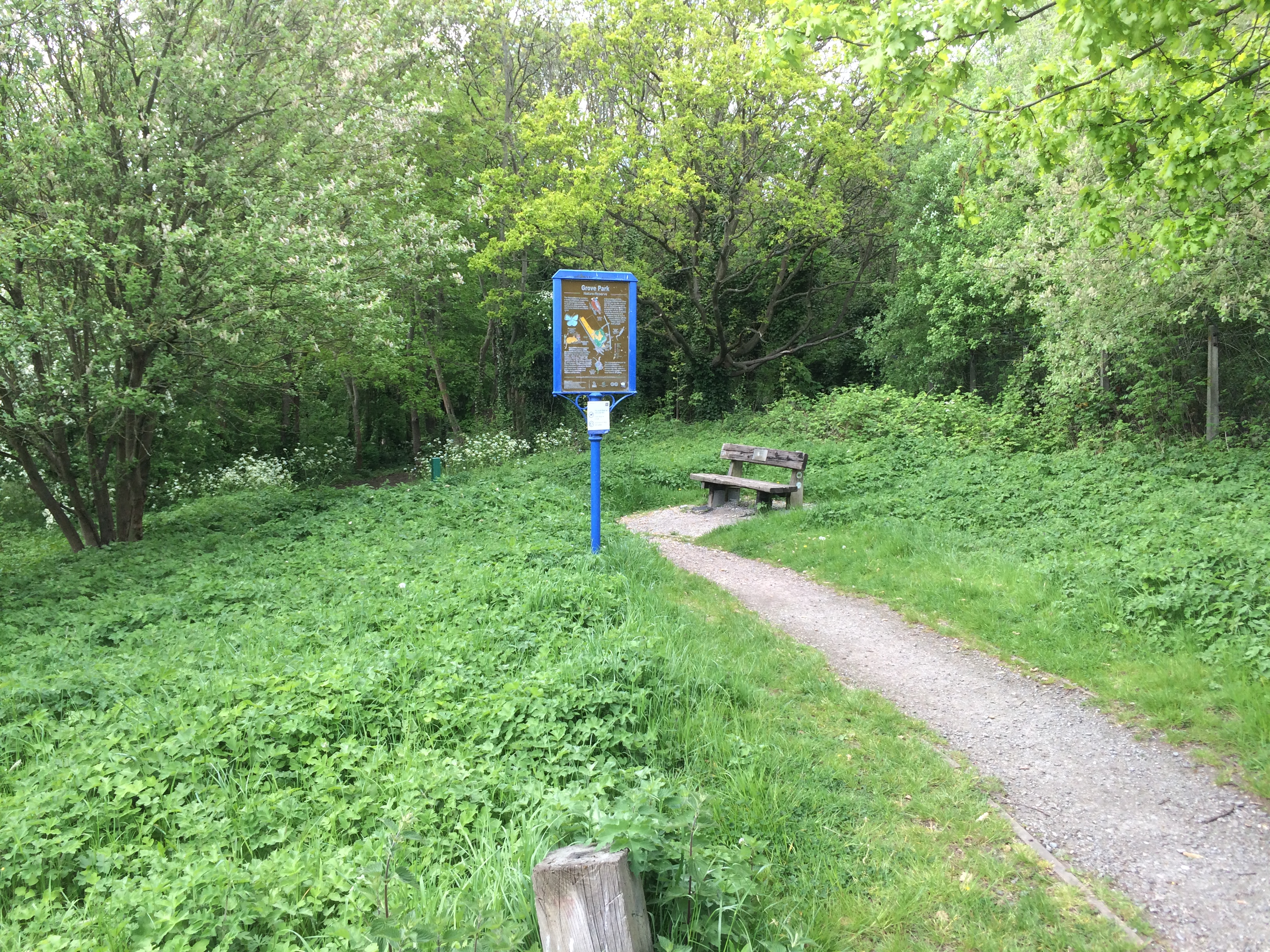
Some attractions on the route are pretty famous, but it was sometimes visiting local parks (typically visited only by those in local neighbourhoods) that brought the most enjoyment during my walk. They aren’t necessarily enough to justify traveling all the way across London on their own account, but stitch a few together – as the route does – and you will be rewarded.

Here, though, are what I consider to be the blockbusters of the Capital Ring:

  • Abney Park cemetery – a fascinating place in Stoke Newington where a number of Dissenters, such as Salvation Army founder William Booth, and musical stars are buried. Enjoy a great Sunday guided tour.
  • Eltham Palace – enjoyed by Henry VIII as a child and re-founded as a 1930s Art Deco home.  English Heritage at its best.
  • Wimbledon Windmill – distincitve 19th century structure on Wimledon Common. Climb to the top and admire the views.
  • Grand Union Canal – built to provide a link between London and the growing industries in the Midlands. Perfect for a Sunday stroll.
  • Severndroog Castle – an 18th century brown bricked triangular folly. Take in the fine views on the surrounding area.
  • The Rookery – community gardens that reveal traces of Streatham Spa, a place enjoyed by Queen Victoria. Get some peace in quiet.

But why pick and choose? My advice is to do the walk the whole Capital Ring trail over the course of a series of weekends. Once you reach the end of the route, you’ll probably want to do it all over again.

Winning new online takeaway customers is service that must be paid for and scrutinised

As a one-time food critic, I’ve eaten from and reviewed some of the country’s best – and worst – takeaways.

Fast food joints can often all get lumped together as unimaginative, greasy and just generally unhealthy. But I think this is to over simplify the extent of outlets that offer takeaway food. Some serve restaurant-quality dishes and can actually be quite nutritious (if you have a salad and ask the server to refrain from adding lashings of fatty dressing).

Others though really are terrible, with the food being served up virtually inedible if you haven’t had five pints of beer. Beef burgers that taste like they’ve never seen a cow before and curries that have a nasty layer of fat floating on the surface. I’ve tasted some real shockers.

“Was the meal value for money? Not really, given that most of it went in the bin,” I once remember writing.

I hope that my reviews were of use for the readers of the regional newspaper that I wrote anonymously for. I hope I steered people to some real gems, while warning them of the places to avoid at all costs.

But given that newspapers are rarely kept for more than a couple of days, the chances are that unless readers kept a list of the best outlets to visit in the region on their noticeboards, some shocking mistakes were made.

In the five years or so since I wrote my last newspaper takeaway review sites such as Tripadvisor have really come of age. When used properly, I am a massive fan of these portals because wherever you are in the country you can quickly find a decent place to grab something (just as you can also find the best places to stay).

While Tripadvisor has many more restaurants listed, it does also include some takeaways. Perhaps more useful if you are looking for the latter are sites and apps such as Just Eat and Hungry Horse. They allow you to order online and have the food delivered straight to your door.

Customers are asked to review takeaways on the basis of quality of food, speed and value for money. These are factors that most people would look for if they were getting meals delivered to their door, so I think the sites are extremely useful. And I’ve got friends that only use these sites if they are looking for a takeaway because they know there is a quality check in place.

But there seems to have been a bit of a backlash in recent months from takeaway owners who have claimed they have been unfairly kicked off the likes of Just Eat and Hungry Horse. “Food-ordering websites are cannibalising our business, say takeaways,” shouts a headline in The Independent today.

The Independent’s story includes a comment from Just Eat saying it removes underperforming takeaways from its listings “if they continuously fail to deliver on customer expectations”. If consumers are being let down, surely that’s a good thing?

There are also complaints from businesses that the fees charges by the sites are too high (they typically charge a fee to join and then the sites apparently charge approximately 20% commission).

But why shouldn’t businesses that are going to make money out of new customers be charged a fee for the referral? The likes of Just Eat have invested considerable sums in developing and marketing their site.

One organisation that represents takeaways is therefore encouraging its members to launch their own online ordering systems.

I am passionate about seeing small businesses (many takeaways are owner-operated) survive and thrive. But they should never be allowed to boost their profits at the expense of ripping off customers.

Businesses deserve to be scrutinised, so for some (particularly the ones churning out a poor quality product) the rise of the Internet has been uncomfortable. There is now nowhere to hide.

I have always thought that the small businesses that serve their customers well by delivering quality products that customers wanted can survive, even during the added layer of scrutiny that the digital age brings.

No business is forced to use online booking platforms (a category that includes the likes of Lastminute.com and Uber). And firms choosing to use them or deciding to invest in their own online ordering portal is not a binary choice that needs to be made.

Hotels don’t have to list themselves on Lastminute.com, taxi drivers don’t have to join Uber and takeaways aren’t forced to list on Just Eat. But if they do, they should be prepared to pay a fee for having access to a wider pool of customers – and be scrutinised over the service they offer.

Platforms do of course have a responsibility to ensure that businesses that are unfairly criticised by “customers” (for example if competitors post malicious comments) receive justice.

But takeaways need to accept that if an organisation is willing to help market and bring new customers to their outlets – which is what Just Eat and Hungry Horse do – they need to pay for that service. And they have to appreciate that if they don’t deliver a first-class service consumers will be there to scrutinise them.

Albania’s mountain opportunity

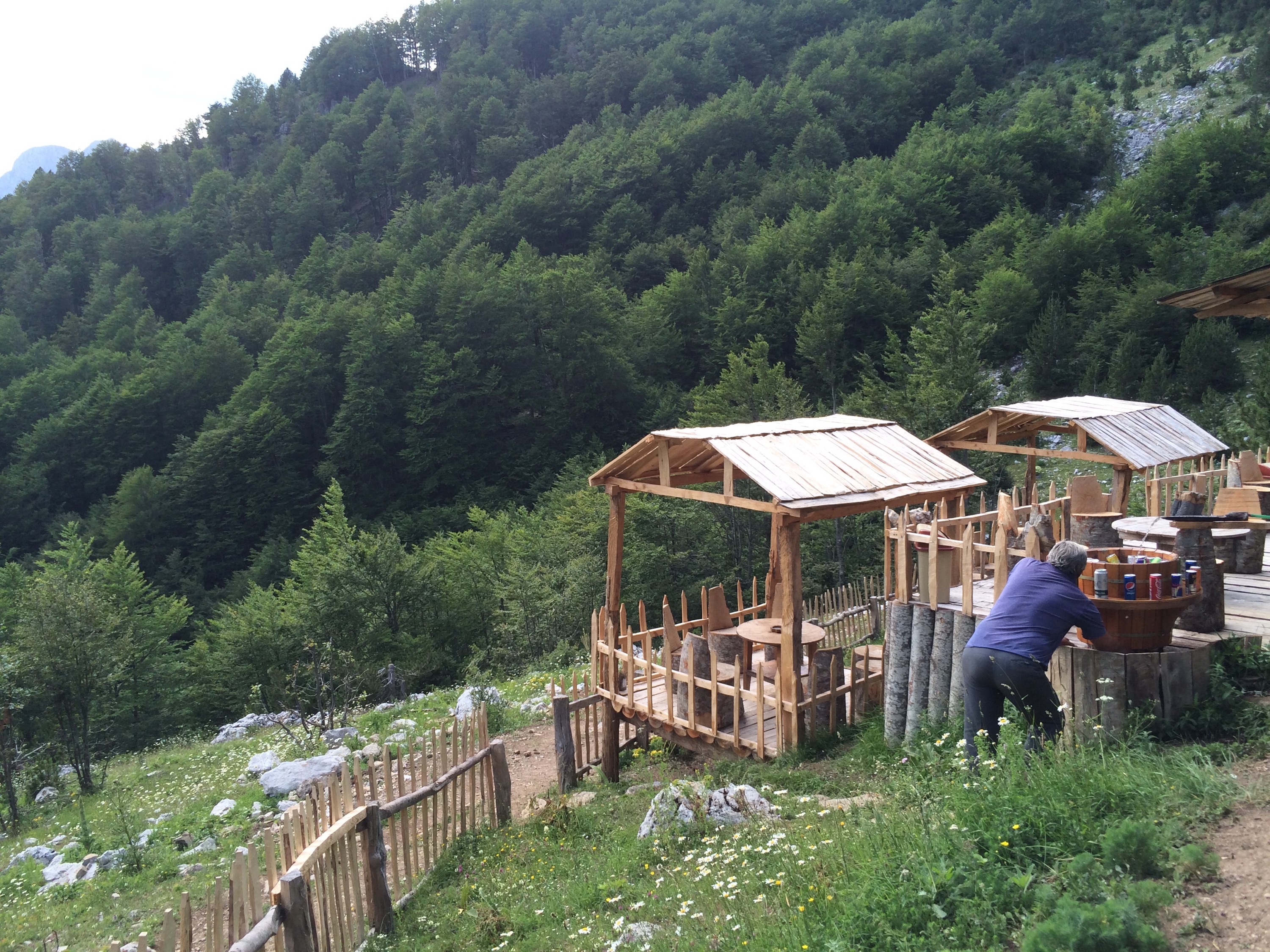
Sitting in a pop-up bar, with stools and tables carved out of tree trunks, we could have been in Glastonbury.

But the view from our decking wasn’t that of music stages and muddy fields of tents. Rather we were perched halfway up a mountain in northern Albania, overlooking amazing alpine scenery.

Mountain bar between Thethi and Valbone

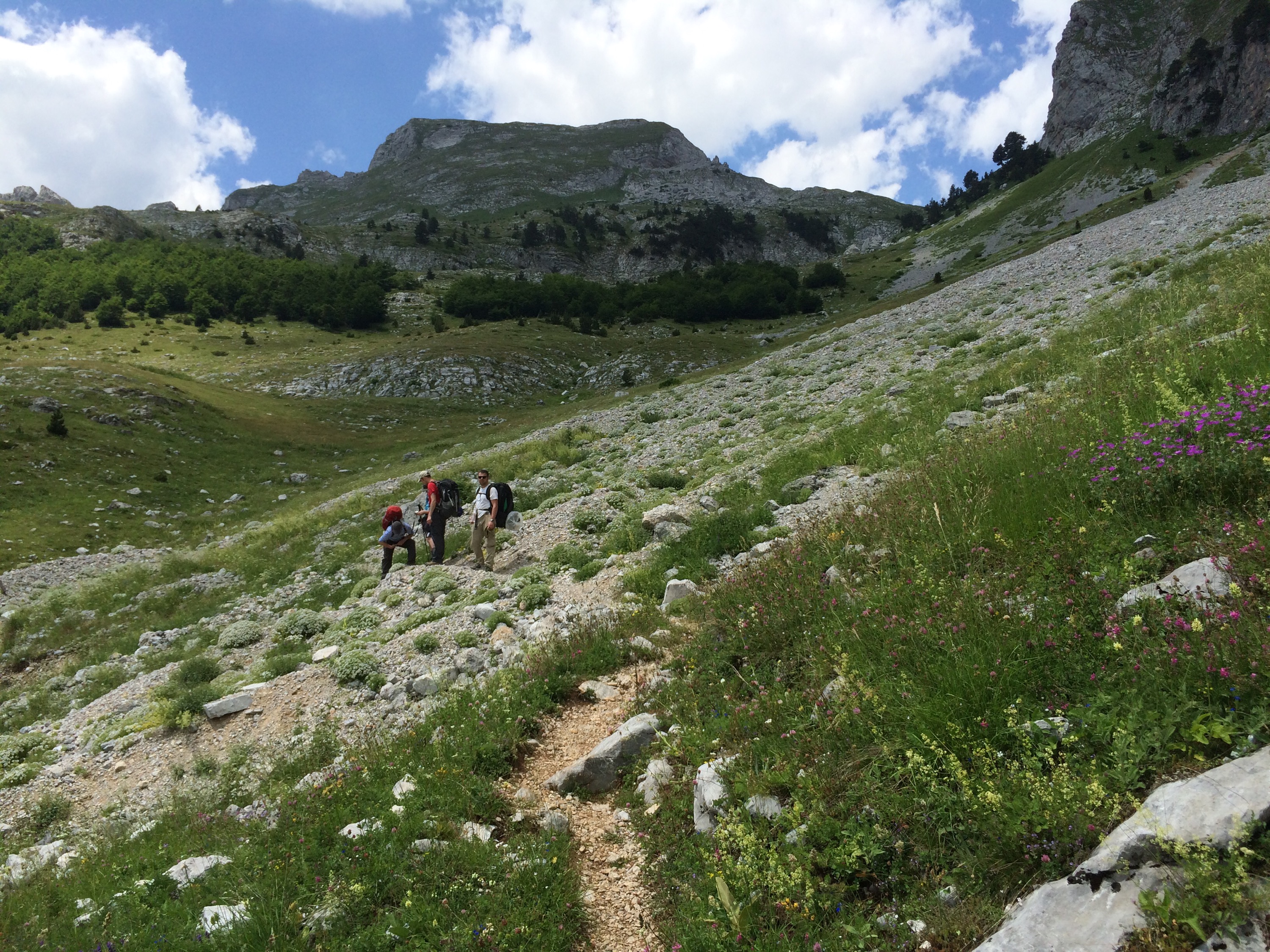
The bar stop provided welcome refreshment on the first of a gruelling three day hike, the first leg taking us – five friends – from Thethi (probably the most rural place I have ever been) to Valbone.

After a night in a charming guest house, where we were served soup, cheeses, dauphinois potatoes, chocolate tiffin and a round of beers, we carried on with our hiking, getting near to the summit of Maja Roshit.

The steep ascents and descents made the walking tough going, but the views meant everything was worthwhile. And every now and again, enterprising shepherd children appeared from what seemed like nowhere to sell us cool Exotic Fantas and converse in a few words of broken English outside their parents’ (or grandparents’) summer houses in the hills. 

 On night two of the hike we had planned to wild camp in what had been billed by one account as an “inviting meadow”. But given the heavy going path and the fact that the light was fading, we realised we wouldn’t make that spot.

Our main concern was finding water. Finally one of my friends spotted a tap on a pipe leading down from the mountains to an old abandoned house in a clearing in the trees in the place where we had decided to spend the night.

Dinner was a hot Batchelor’s chicken pasta meal cooked on a portable camping stove. Once we had eaten, we got into bivvy bags and lay down on our roll mats under the stars. Fire flies operated like flash flights, briefly illuminating the sky every few minutes.

I thought about the possibility of bears (we had been told they were around these parts) charging at us from the forest next to where we had pitched camp or bandits rolling up at the spooky-looking house in the clearing (the latter appeared like it once could have been a youth hostel, but now contained lots of graffiti). However, for the most part, bar a few animals rustling in the leaves or birds calling out, things were quiet and I got some sleep.

On the third and final day, we continued our hike through more amazing valleys and over limestone gorges – attempting to make conversation with shepherds hanging out in their summer houses along the way – before arriving back at Thethi.

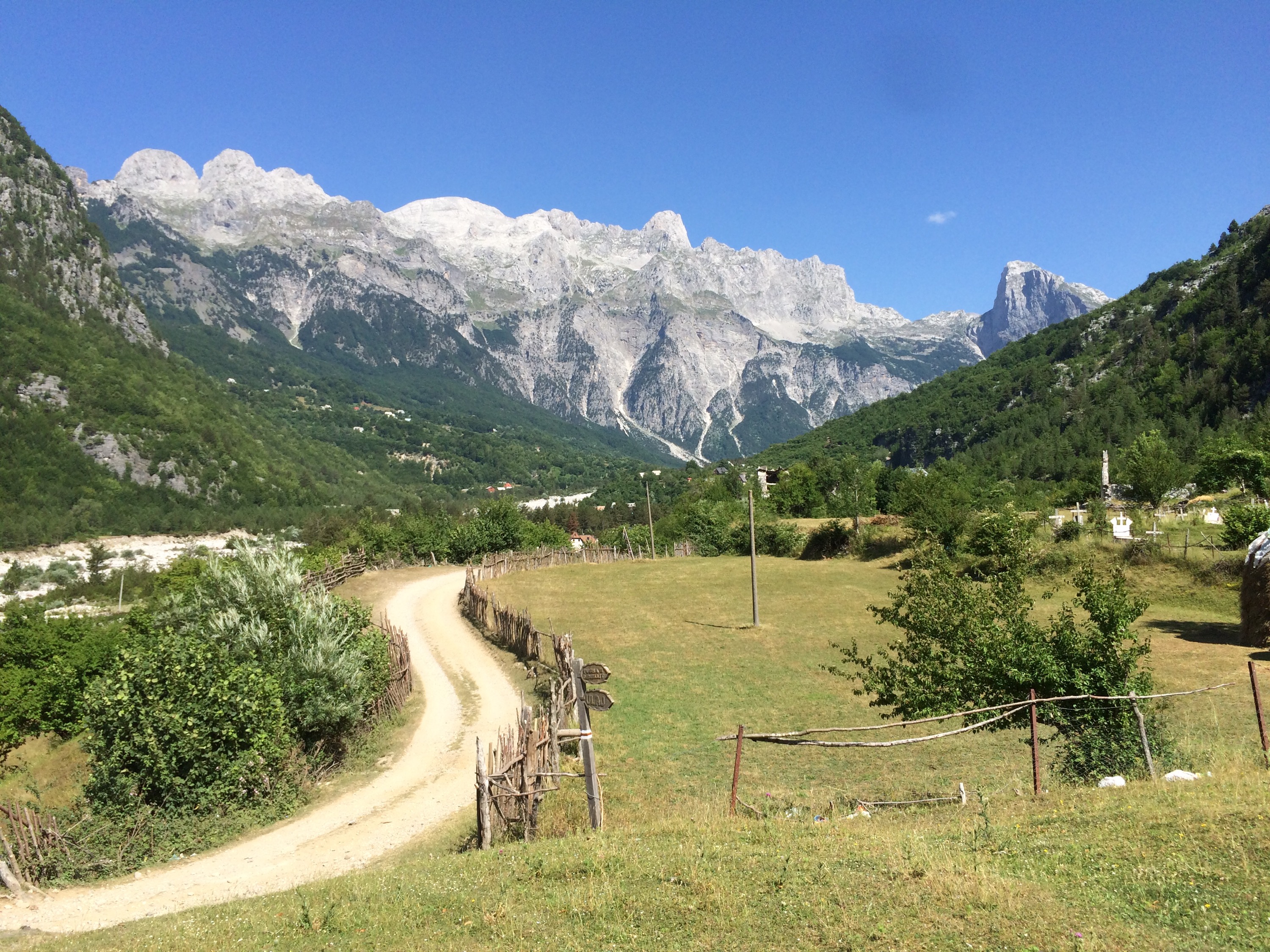
Considered the centre of hiking in these parts, the village is a popular base for Eastern European tourists (we didn’t see any other English) during the summer months. We had been a little apprehensive visiting, as a week before we arrived two Czech tourists were shot dead as they returned to their camp site, but with the prime suspect reportedly caught and commentary suggesting it to be an isolated incident, we stuck with our plans.

Thethi

The people in the guest house we stayed at were extremely friendly and, as had been the case in Valbone, we were cooked a lovely rustic evening meal and breakfast the next before carrying on with our journey across Albania.

Getting out of the Thethi valley was just as slow as it was getting in. The road was steep and there was little room to pass cars, so we had to keep reversing where it was a little wider. Yes, it was frustrating, but the beautiful scenery made it all worthwhile.

We stayed in some nice hotels elsewhere in Albania, including in the seaside resort of Duressi and the gloomy capital of Tirana (both places where museums didn’t open when they should and air conditioning was limited in the sweltering heat). But these places are not the country’s highlights. You want to head to the mountains to appreciate the best of Albania – look elsewhere for beaches and nice cities.

Our big question about rural northern Albania was – why don’t more people visit a place that’s more beautiful than most other parts of Europe? It’s time for the Albanian government to work harder to market itself to overseas tourists. This could give the boost that this country so desperately needs.

Uber’s popularity is about more than low fares

When it’s pouring with rain in central London, black cabs are near impossible to find. As they sail past with their orange availability lights switched off, prospective passengers get wetter and wetter – the very thing they wanted to avoid by trying to get a taxi rather than walking to the Tube.

Uber – the app connecting passengers with private drivers – offers a much better option on rainy days. You have a look on a live digital map to see where the nearest car to you is and hail it to your door.

The clever app tells you in advance how much the journey is going cost, who your driver is going to be and what car they will be in. Fares are lower than black cabs and the service is much more convenient for passengers.

But not all are happy.

Taxi drivers in France have followed others around the world by launching mass demonstrations against Uber, which they say is threatening their livelihoods by undercutting fares. Scenes I saw on TV last week made the country out to be a combat zone, with large scale road block, Uner cars being smashed up and other bouts of severe violence.

And President Francois Hollande has said he will ban Uber (although some have been quick to point out that he has forgotten he already has technically made them illegal).

There may be some people who sympathise with the plight of the taxi drivers in France, but there are also plenty of people around the world who are big fans of Uber. I’ve lost track of those in London who’ve declared their love of the app – and the convenience it brings – to me in recent weeks.

Critics of Uber really are stuck in the past and have failed to notice the digital revolution sweeping through multiple industries around the world. Consumers today expect to be able to perform a range of tasks with a few swipes of their smartphone.

And if it’s now possible to easily book a holiday, find a date or log on to Internet banking while on the move, why shouldn’t you also be able to book a taxi with ease? Yes, Uber fans enjoy lower fares, but they also love the smooth process on offer – you know exactly when your car is going to turn up and don’t need to fumble around for cash.

Of course, it’s important high standards are maintained in any industry. It’s therefore only right all drivers carrying passengers have criminal record checks (all of those licensed to work in London need to pass these) and I like an idea from Boris Johnson to introduce a mini knowledge test for all minicab drivers.

In an age where sat navs are commonplace, is it really necessary for cabbies to undertake four years of trainings and stringent exams to check they know every nook and cranny of London’s streets?

I can see why some traditional taxi drivers are fighting to preserve their ability to earn a decent living. But in trying to block a digital-savvy upstart they are going about things in the wrong way.

Recent history shows that nowadays online operators in various industries – ranging from Amazon to Lastminute – prevail in the end over businesses that are stuck in the past.

Unless black cab drivers want to become extinct, they could do worse than take a close look at how Uber is winning over consumers and join the revolution.